




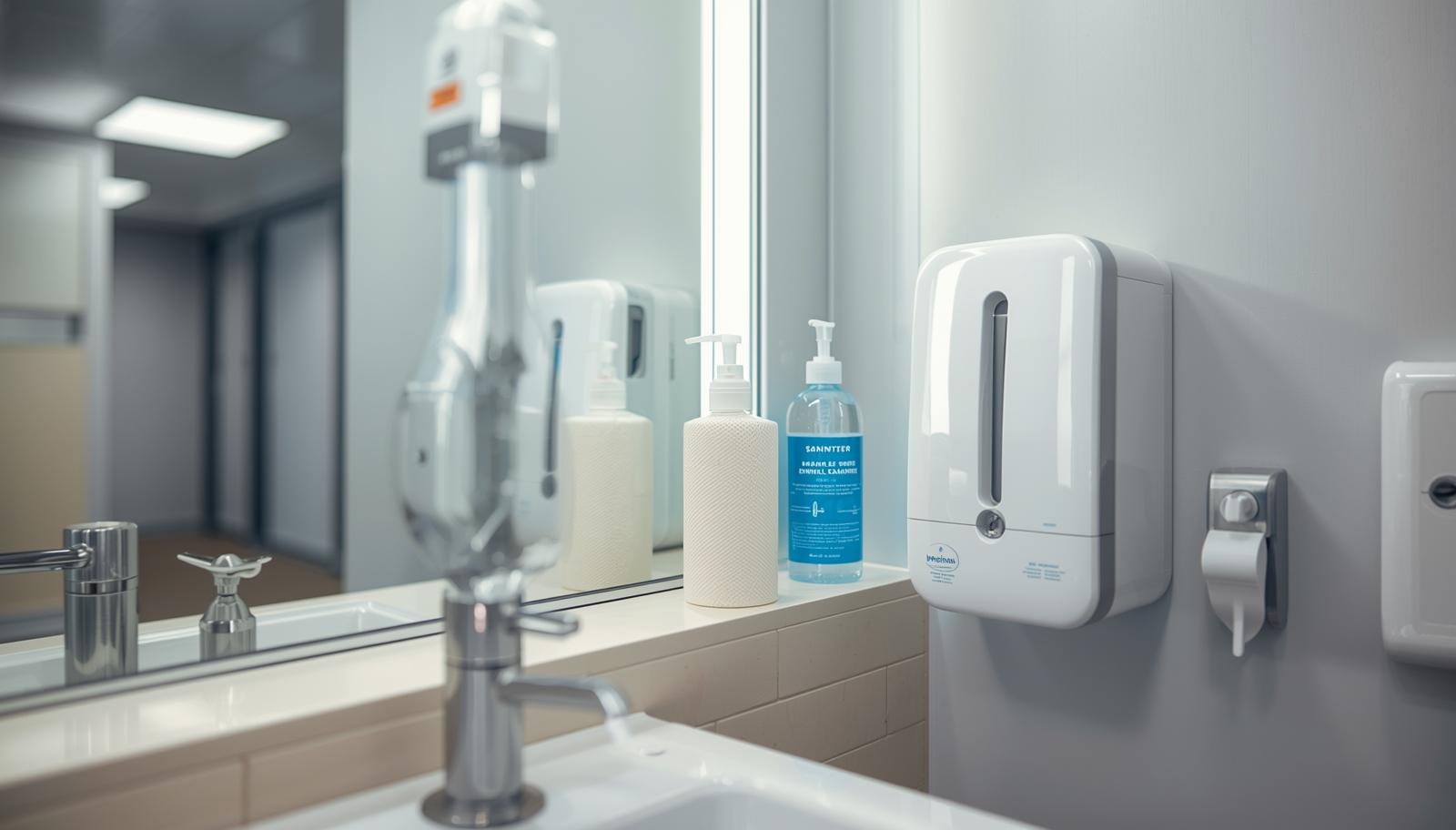
Washroom Hygiene Essentials for Offices & Commercial Spaces
First impressions are everything in business. You invest in a welcoming reception area, comfortable meeting rooms, and high-quality coffee. But there is one space that is often overlooked, yet it speaks volumes about your company’s standards: the washroom.
A poorly maintained washroom can undo all the hard work you put into your professional image. Conversely, a sparkling, fresh, and well-stocked facility signals that you care about detail, health, and the well-being of the people who enter your building. Whether it is a client visiting for a pitch or an employee starting their workday, the state of the washroom impacts their experience.
This guide explores the critical elements of washroom hygiene for offices and commercial spaces. We will look at why it matters, the essential products you need, and the practices that ensure your facilities remain compliant and safe.
The Business Case for a Clean Washroom
Maintaining a hygienic washroom is not just about aesthetics; it is a strategic business decision. The impact of hygiene extends far beyond the bathroom door.
Boosting Employee Health and Productivity
Offices are high-traffic environments where germs spread quickly. The washroom is a primary hotspot for bacteria and viruses, including E. coli, Salmonella, and influenza. If one employee picks up a virus in the restroom, it can easily spread to door handles, keyboards, and the office kitchen.
By investing in superior hygiene standards, you break the chain of infection. Fewer germs mean fewer sick days. A healthy workforce is more productive, energetic, and focused. Reducing absenteeism by even a small percentage can save a company significant money annually.
Enhancing Brand Reputation
Imagine a potential client using your facilities. If they encounter overflowing bins, empty soap dispensers, or unpleasant odors, they will subconsciously question your competence. If you cannot manage a washroom, can you manage their account?
A pristine washroom builds trust. It tells customers and partners that you are professional, organized, and considerate. It is a subtle but powerful way to reinforce your brand’s reputation for excellence.
Regulatory Compliance
As an employer or facility manager, you have a legal duty of care to provide a safe working environment. Health and safety regulations mandate access to clean sanitary conveniences. Failing to meet these standards can lead to complaints, failed inspections, and even legal action. Proper hygiene is not optional; it is a requirement.
The Essential Hygiene Product Checklist
To maintain a high standard of cleanliness, you need the right tools. A washroom that looks clean but lacks essential supplies is not functional. Here are the must-have items for any commercial space.
1. Touch-Free Soap Dispensers
Hand washing is the single most effective way to prevent the spread of infection. However, a manual soap pump can itself become a breeding ground for bacteria if hundreds of unwashed hands touch it daily.
The Solution: Install automatic, touch-free soap dispensers. They reduce cross-contamination significantly. Foam soap is often preferred over liquid soap as it requires less water to rinse off and offers more washes per refill, making it cost-effective and eco-friendly.
2. Reliable Hand Drying Options
Wet hands spread 1,000 times more bacteria than dry hands. If visitors leave the washroom with damp hands because the dryer was broken or the towels were empty, they are essentially mobile germ carriers.
The Options:
- Paper Towels: Generally considered the most hygienic option because the friction of drying helps remove bacteria. Ensure you have high-capacity dispensers to prevent run-outs.
- High-Speed Air Dryers: Modern jet dryers are efficient and reduce waste. If you choose dryers, ensure they are equipped with HEPA filters to clean the air before blowing it onto hands.
3. Hand Sanitizer Stations
Soap and water are essential, but sanitizer adds an extra layer of protection. Placing hand sanitizer dispensers inside the washroom—and crucially, just outside the exit—allows users to sanitize their hands after touching the door handle to leave.
4. Toilet Seat Sanitizers
Many people feel uncomfortable sitting on a public toilet seat, leading to unhygienic behaviors like hovering or lining the seat with toilet paper (which creates mess).
The Solution: Provide a toilet seat sanitizer dispenser inside the cubicle. This allows the user to spray a cleaning solution onto a piece of toilet paper and wipe the seat before use. It offers peace of mind and improves the user experience immensely.
5. Automated Air Fresheners
Smell is a powerful trigger for perception. A washroom can be visually clean, but if it smells musty or unpleasant, users will perceive it as dirty.
The Solution: Avoid heavy, masking sprays. Use programmable air fresheners that release a consistent, light fragrance. Ideally, look for systems that use odor-neutralizing technology to eliminate bad smells at the molecular level rather than just covering them up.
6. Feminine Hygiene Bins
Providing discreet, sanitary disposal units for feminine hygiene products is a basic necessity. These should be pedal-operated (touch-free) to minimize contact. Ensure you have a service contract in place for these bins to be emptied and sanitized regularly by professionals.
Essential Maintenance Practices
Buying the right products is only step one. The way you manage the facility determines its long-term hygiene levels.
Implement a Visible Cleaning Schedule
You have likely seen those "last cleaned at" charts on the back of washroom doors. They serve two purposes. First, they ensure accountability for the cleaning staff. Second, they reassure users that the facility is being actively managed.
For high-traffic commercial spaces, a once-a-day clean is rarely enough. Implement a rotation schedule that checks the washrooms every few hours during peak times to restock supplies and handle spot cleaning.
Focus on "Touch Points"
When cleaning, special attention must be paid to high-touch areas. These are the vectors for disease transmission.
- Door handles and push plates
- Flush handles or buttons
- Tap heads
- Light switches
- Cubicle locks
These surfaces should be disinfected multiple times a day with hospital-grade cleaning agents.
Regular Deep Cleaning
Daily mopping and wiping are essential, but they don't catch everything. Over time, uric acid can build up in grout and drains, causing persistent bad odors that daily cleaning cannot remove. Schedule a professional deep clean (often called a "sanitary wash") periodically. This involves steam cleaning and specialized chemicals to remove deep-seated grime and bacteria from tiles, walls, and fixtures.
Stock Management
There is nothing more frustrating than reaching for toilet paper and finding an empty holder. Implement a strict inventory management system. Cleaning staff should not just clean; they must check stock levels of soap, paper, and sanitizer on every round. Keep a healthy supply of refills in a locked onsite storage cupboard so you never run out during a busy workday.
Conclusion
Washroom hygiene is a fundamental component of building management that directly impacts health, morale, and reputation. It is not an area where corners should be cut. By equipping your facility with touch-free technology, ensuring supplies are always stocked, and adhering to a rigorous cleaning schedule, you create a safer and more welcoming environment for everyone.
Take a walk through your office washrooms today. Look at them through the eyes of a visitor. Do they smell fresh? Are the dispensers full? Is the floor dry? If the answer to any of these is "no," it is time to upgrade your hygiene essentials. A clean washroom is the sign of a business that cares.