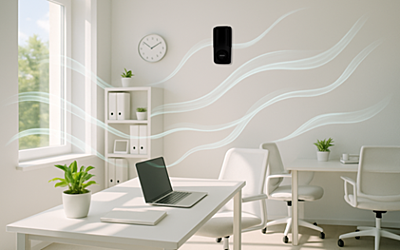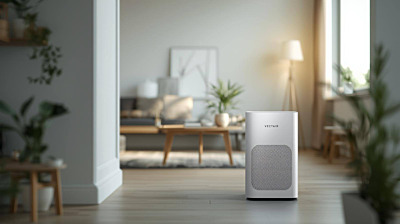




A washroom can be thoroughly cleaned at 7am and still smell tired by lunchtime. Corridors pick up damp coats and footwear, changing rooms hold moisture and textile odours, while office kitchens can carry food smells into nearby meeting areas. In each case, Vectair air fresheners can support a better-managed environment, but only when the system matches the space and the source of the odour.
At Express Cleaning Supplies, we recommend choosing Vectair air fresheners as part of a wider aircare plan. Cleaning, waste removal, drain maintenance and ventilation should deal with the cause first. The air freshener then provides controlled fragrance between cleaning visits rather than disguising an unresolved hygiene or building problem.
Odour Control Starts Before Fragrance
Fragrance does not clean a urinal, empty a sanitary bin or dry a changing-room floor. It also does not replace fresh air. Government guidance for education settings explains that effective ventilation brings in outdoor air and removes stale, polluted indoor air. HSE gives the same core message for enclosed workplaces.
Therefore, before selecting air fresheners for schools or offices, investigate the pattern. If an odour appears beside one basin, check the trap and drain. If it builds after PE, review wet kit, laundry, floor drying and extraction. If an office kitchen smells throughout the afternoon, improve food-waste handling and ventilation before increasing fragrance.
A useful source-control check covers:
- Bins, sanitary units and food-waste containers
- Urinals, toilets, sinks, traps and floor gullies
- Damp mops, textiles, sports kit and entrance matting
- Leaks, condensation and poorly drying surfaces
- Cleaning frequency and product residue
- Natural or mechanical ventilation
Once those controls work, a commercial aircare system can help maintain a pleasant background fragrance.
Passive, Automatic or Longer-Lasting Aircare?
The best system depends on room size, footfall, service frequency and how much control the facilities team needs. Within our Vectair range, the main choices include targeted passive products, longer-lasting passive dispensers and programmable aerosol systems.
Airloop Air Fresheners for Targeted Fragrance
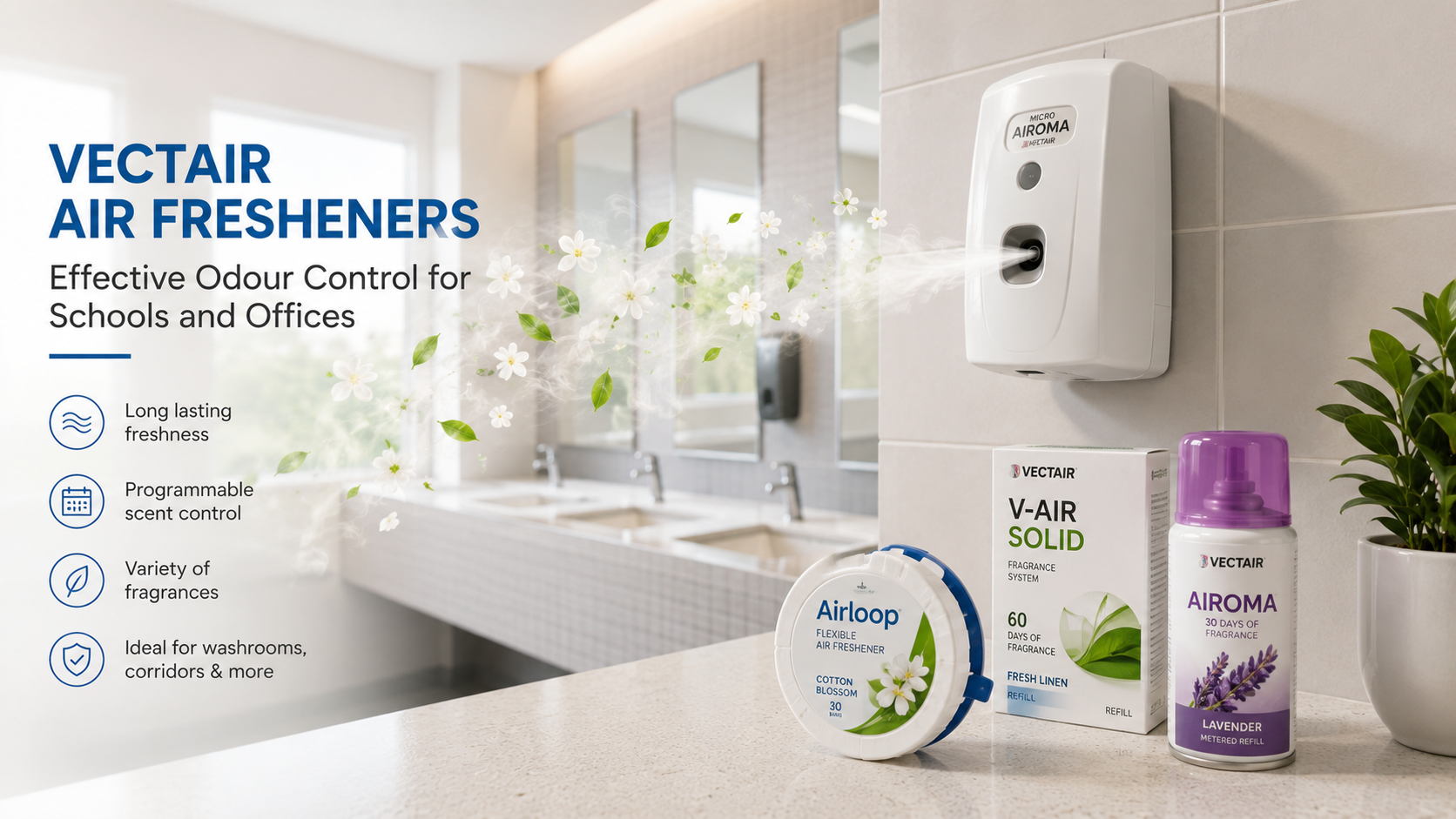
Airloop air fresheners suit small areas where a wall-mounted dispenser would be unnecessary. The flexible clip can fit around many toilet bowls, sit beneath sinks or work as a free-standing product in another compact space. It uses no aerosol or propellant and provides fragrance for up to 30 days.
This simplicity makes Airloop useful in individual cubicles and compact staff washrooms. There are no batteries to monitor and no spray programme to set. However, it should not be expected to fragrance a large changing room, long corridor or open-plan office.
V-Air Solid for Continuous Passive Coverage
V-Air Solid suits sites that want passive fragrance with a longer replacement cycle. The system uses natural airflow through a dispenser and can provide fragrance for up to 60 days without batteries or aerosol propellants.
It can work well in reception areas, washrooms, corridors and smaller communal spaces where a steady background fragrance is preferable to noticeable bursts. The trade-off is control, because temperature, ventilation and placement can affect passive fragrance intensity.
Airoma Automatic Dispensers for Programmed Delivery
Airoma and Micro Airoma are programmable aerosol systems. They release measured fragrance at selected intervals, giving facilities teams more control over operating hours and refill life. Vectair describes Airoma as fully programmable, while Micro Airoma is designed for smaller commercial spaces and can deliver up to 3,000 sprays from a compatible refill.
This approach can suit busy washrooms, reception points and high-footfall shared areas. However, automatic office air freshener systems need batteries, refills and setting checks. The spray path should also avoid people, food, desks, polished surfaces and sensitive equipment.
Choosing a System by Area
School Washrooms
Washrooms need layered odour control. Clean toilets and urinals, remove waste, maintain drains and keep floors dry. Then use aircare to support the interval between cleans.
Airloop works well close to toilet areas, V-Air Solid can provide broader passive coverage, and a programmed Airoma dispenser may suit high-traffic pupil washrooms. Do not simply add more fragrance when an odour persists. Effective washroom odour control always follows the source.
Offices, Reception Areas and Corridors
A reception should feel clean and neutral, not heavily perfumed. V-Air Solid often suits these spaces because it provides gradual fragrance without visible spray bursts. Likewise, it can work in corridors where teams want discreet aircare and longer service intervals.
Airoma may suit an entrance lobby or busy washroom where timed output is useful. For office air freshener systems, consistency across zones matters. Vectair coordinates fragrances across several formats, allowing sites to use different hardware without creating clashing scents.
Gyms and Changing Rooms
Changing-room odour often comes from moisture, drains, benches, footwear and used textiles. Therefore, review extraction, drying, laundry collection and floor cleaning before adding fragrance.
V-Air Solid can support general room fragrance, while Airoma may be more appropriate where footfall peaks at predictable times. Airloop can provide targeted fragrance around toilets within the changing-room washroom. Keep dispensers away from showers, direct heat and powerful extraction outlets.
Classrooms and Sensitive Areas
We advise more caution in classrooms, SEND spaces, medical rooms and areas used by people with fragrance sensitivities. Department for Education guidance on inclusive estates identifies fragrance-free cleaning products and removing artificial air fresheners as possible adaptations for better indoor air quality.
As a result, air fresheners for schools are generally better focused on washrooms, entrances and selected communal areas. Consult staff, review individual needs and choose no fragrance where that is the safer or more inclusive decision.
How to Select the Right Vectair System
Before ordering, ask six practical questions:
- What is causing the odour? Check cleaning, drains, waste and ventilation first.
- How large and busy is the space? A cubicle needs a different product from a sports changing room.
- How often can staff service it? Match replacement intervals to real maintenance rounds.
- Is timed control useful? Fixed opening hours may favour a programmable dispenser.
- Are there sensitive users or restricted areas? Review asthma, sensory needs, food areas and enclosed rooms.
- Can the site standardise refills? Standardisation reduces ordering errors and simplifies multi-site stock control.
Placement and Servicing Make the Difference
A good product in the wrong position can appear weak or overwhelming. Install room dispensers where air can circulate, but avoid direct draughts that carry fragrance straight through a door or extract vent. Keep products away from heat sources and follow installation guidance.
For automatic commercial air fresheners, position the spray path above normal head height and away from surfaces. Meanwhile, place passive products where pupils or visitors cannot easily remove or damage them.
Add aircare to the cleaning inspection sheet. Record the installation date, expected replacement date, fragrance, dispenser condition and any complaints. This makes servicing predictable and shows whether one area is consuming refills faster than expected.
Safety, Ventilation and Fragrance Strength
Keep refills in their original packaging, follow the label and Safety Data Sheet, and complete a COSHH assessment where required. HSE advises cleaners to store products safely, minimise exposure and keep the workplace well ventilated.
More fragrance is not automatically better. A system should provide a light background scent, not announce itself before somebody enters the room. If users report headaches, breathing discomfort or sensory distress, review the product, intensity, location and need for fragrance.
Ventilation must continue to do its own job. Aircare adds fragrance, while ventilation removes stale and polluted air. Treating those as separate functions leads to more credible odour control.
Compare Total Service Cost, Not Just Refill Price
For B2B buyers, the cheapest refill is not always the lowest-cost system. Include batteries, staff time, replacement frequency, dispenser checks and the number of units needed to cover the building.
A passive 60-day system may cost more per refill but require fewer service visits. Conversely, a programmable dispenser may use fragrance more efficiently where the building closes overnight or at weekends. Compare cost per serviced area over a full term or quarter, rather than comparing pack prices alone.
Multi-site organisations should also record which fragrances and refill formats each building uses. A smaller, standardised range usually simplifies ordering, reduces dead stock and makes temporary staff less likely to fit the wrong product.
Practical Aircare Buying Checklist
Before choosing Vectair air fresheners, confirm:
- The odour source has been investigated
- Cleaning, waste, drains and ventilation are under control
- The product suits the room size and footfall
- Passive or automatic delivery matches the required control
- Staff can meet the replacement and battery schedule
- Placement avoids people, food, heat and direct extraction
- Fragrance-sensitive users have been considered
- Refills can be stored safely
- Fragrance families and refill types are standardised
- The system will be reviewed after installation
FAQs
Which Vectair air freshener is best for school washrooms?
It depends on size and traffic. Airloop suits targeted toilet-area fragrance, V-Air Solid provides longer-lasting passive coverage, and Airoma offers programmable delivery for busier spaces.
How long do Airloop air fresheners last?
Airloop can provide fragrance for up to 30 days, although temperature, airflow and placement can affect performance.
Are passive air fresheners better than automatic dispensers?
Neither is universally better. Passive systems offer simple continuous fragrance. Automatic systems provide greater timing control but require batteries, refills and setting checks.
Can air fresheners solve drain or urinal odours?
They can support the result, but they do not remove the source. Clean and descale fixtures, maintain drains, remove waste and improve ventilation first.
Where should office air freshener systems be installed?
Reception areas, washrooms and selected communal spaces usually make more sense than desks or small meeting rooms. Avoid direct extraction, food, heat and occupied spray paths.
Should schools use air fresheners in classrooms?
Not automatically. Review ventilation, individual sensitivities and inclusion needs first. Some classrooms and SEND spaces may need to remain fragrance-free.
Do Vectair air fresheners replace regular cleaning?
No. They support a clean environment between service visits. They cannot replace cleaning, drainage maintenance, waste removal or ventilation.
At Express Cleaning Supplies, we help facilities teams choose aircare by area, usage and servicing capacity. The right system should sit quietly in the background, supporting a clean, well-managed space without masking problems or overwhelming the people who use it.