



Washrooms are the one part of a school building that gets tested from the very first hour of the very first day. There's no gentle ramp-up like there is with classroom stationery or IT equipment settling back into use. Several hundred pupils will use the same handful of washrooms within the first thirty minutes of the day, and any gap in stock or a fault in a dispenser becomes obvious immediately.
This checklist covers what facilities managers should confirm before students return, based on the areas that most commonly cause problems in the first week of term.
Soap and sanitiser dispensers
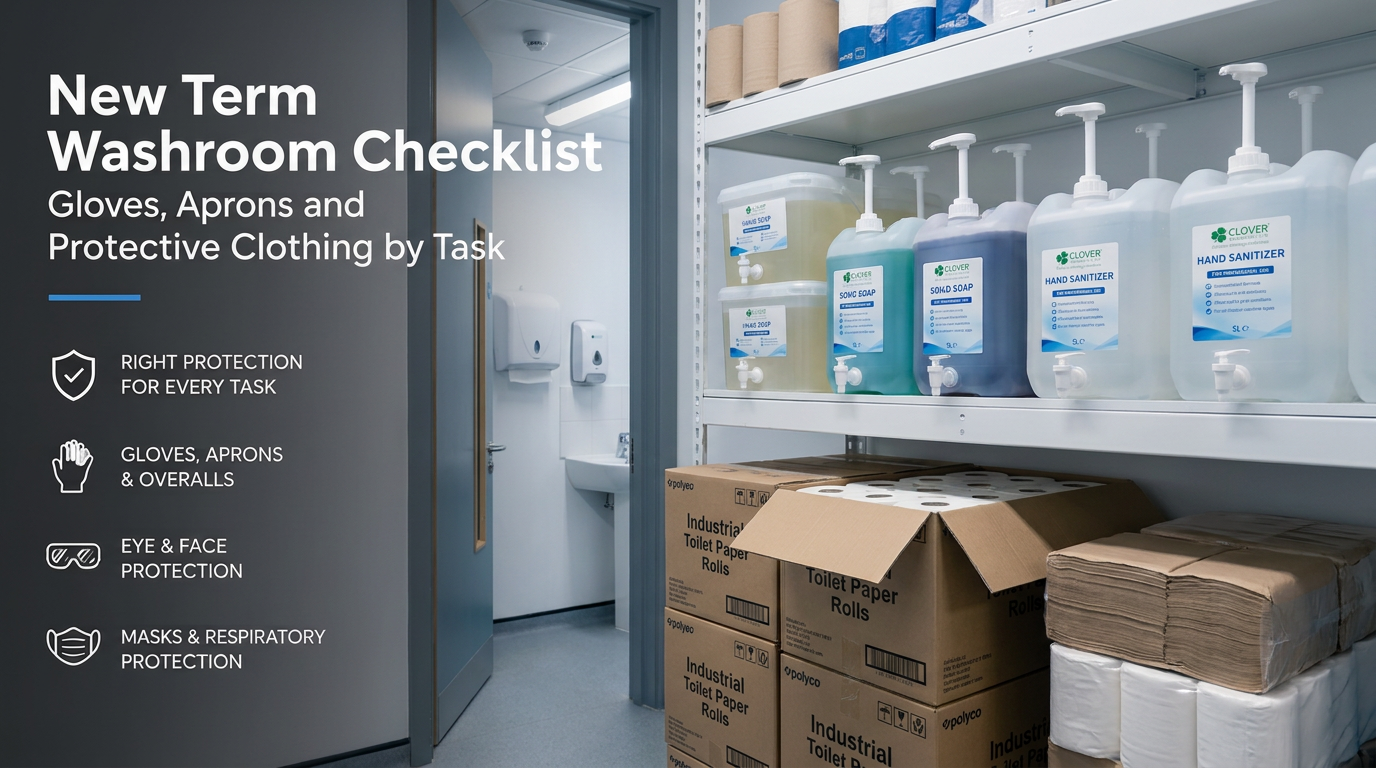
Every dispenser needs checking individually, not just topping up the stock cupboard. Wall-mounted units that sit unused for six weeks can develop blocked nozzles or, in the case of battery-operated sensor dispensers, flat batteries that only become obvious when a pupil stands in front of one and nothing happens.
For budgeting purposes, a washroom serving around thirty pupils typically works through a full soap refill every ten to fourteen days in normal term-time use. That pace increases in the first two to three weeks of a new term, when handwashing routines are being actively reinforced by staff, and again during the autumn cold and flu period. Ordering against that pattern rather than waiting for a dispenser to run dry avoids the awkward gap where a unit sits empty for a day while a replacement cartridge is sourced.
Hand sanitiser stock, wherever it's used at entrances or in corridors, should be checked for expiry dates specifically. Alcohol-based sanitiser typically carries a shelf life of two to three years unopened, and stock bought in bulk during a previous term can quietly expire in storage without anyone noticing until a bottle is opened and the smell or consistency is off.
Paper products and hand drying
Toilet roll and paper towel stock should be recalculated against actual pupil numbers for the coming year, not simply reordered at last year's volume. A school with a larger new intake, or one that's added a nursery class, will use noticeably more than the figure the reorder system defaults to.
Where hand dryers are in place rather than paper towels, this is the point to test each unit individually. A dryer that's been sitting idle over the holidays can develop motor issues or reduced airflow that won't show up until it's needed, and a broken dryer with no paper towel backup nearby is one of the fastest ways a washroom starts to feel neglected within the first few days of term.
It's worth deciding in advance, and communicating to cleaning staff, what the backup plan is if a dryer fails mid-term: a stock of paper towels should always be held in reserve even in washrooms that run on hand dryers day to day.
Toilet and urinal maintenance
Descaling should be done before term starts, not scheduled as part of the general opening clean. Hard water buildup that's been left over a six-week closure is often worse than mid-term limescale, since there's been no daily flushing to keep it in check. A dedicated descaling product applied with enough contact time, generally left to sit for at least ten minutes on heavily scaled areas, gets far better results than a quick wipe with an all-purpose cleaner.
Cistern and flush mechanisms are worth testing individually as well, particularly in older buildings where a slow leak or a flush that's stopped working properly can go unnoticed for weeks once term is underway and staff assume someone else has reported it.
Odour control
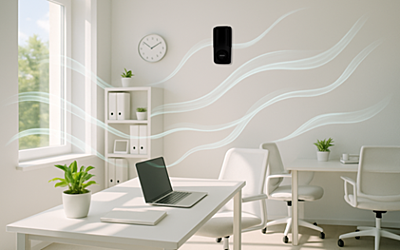
A washroom that smells stale on the first morning of term sets a tone that's hard to shift, even once the actual cleaning routine catches up. Checking that any fitted air freshener or odour control system, whether that's a dispenser unit or a passive system, has fresh refills installed before the doors open avoids relying on the extraction fan alone to clear six weeks of trapped air.
Drains are a common culprit here too. A drain that hasn't had water running through it regularly over the summer can develop a noticeably worse smell than one in daily use, simply because the water trap has partially dried out. Running water through infrequently used drains a few days before term starts, and treating them with a proper drain cleaner rather than just flushing with water, solves this before it becomes a first-day complaint.
Sanitary bins and disposal units
Sanitary disposal units in staff and older pupil washrooms should be confirmed as serviced and collection scheduled for the new term, particularly if the collection contract needs renewing after the summer break. A missed first collection because the contract lapsed over the holidays is entirely avoidable with a quick check a week or two out.
General waste bins throughout washroom areas should also be checked for correct liner sizing and confirmed collection frequency, since this is an easy thing to overlook when attention is focused on classroom-facing preparation.
Signage and accessibility
Handwashing signage, particularly in early years and primary settings, is worth refreshing rather than assuming last year's posters are still in place and legible. Faded or missing signage in accessible washrooms should also be checked, along with grab rails and emergency pull cords, which are easy to overlook during a general clean but matter considerably to the pupils and staff who rely on them daily.
Building the opening day checklist
Rather than treating washroom prep as part of the general building clean, it's worth having a dedicated washroom-specific checklist that gets signed off separately, ideally by whoever will be responsible for restocking during the first week of term. This creates a clear record of what was checked, which matters if anything is later flagged during an inspection, and it means the person actually doing the day-to-day topping up already knows the starting stock levels rather than guessing.
Facilities teams managing several sites often standardise this checklist across every school they cover, which is part of why suppliers like Express Cleaning Supplies see a noticeable order spike in the final two weeks of August as teams work through exactly this kind of list building.
Staff responsibilities and daily checks
Even a fully stocked washroom on day one will run into trouble by day three if nobody has a clear daily checking routine. Assigning washroom checks to a specific role, whether that's site staff, a cleaning contractor or a rota of teaching assistants, and setting a fixed time of day for it, morning break is generally more useful than end of day, since it catches issues before the busiest usage period rather than after.
A simple laminated checklist inside each washroom's cleaning cupboard, covering soap, paper, toilet roll, bin liners and a quick visual check of dispensers, takes under two minutes to complete and creates a basic record that something was checked, which is useful if an issue is later raised by a parent or during an inspection.
Where a school uses an external cleaning contractor, it's worth confirming exactly where the contractor's responsibility ends and the school's own day staff responsibility begins. Overnight or early morning contract cleans often don't cover the midday top-up that washrooms actually need on a heavy school day, and assuming the contractor has this covered when they don't is a common gap.
Budgeting for the term ahead
Washroom consumables are one of the more predictable costs in a facilities budget, provided the first few weeks of term are used to establish an accurate baseline rather than working from the previous year's figures. Tracking actual soap, paper and sanitiser usage against the September order gives a reliable reorder rhythm for the rest of the year, adjusted for the usual seasonal increase during the autumn and winter cold and flu period.
A reasonable rule most facilities teams work to: hold roughly a two-week buffer of stock for high-turnover items like soap and hand sanitiser, and reorder before that buffer is touched rather than after. For lower-turnover items, sanitary disposal servicing, drain treatments and larger paper stock deliveries, a four-week lead time is generally safer, particularly heading into busier delivery periods around half term.
If pupil numbers have grown, a new intake year has been added, or a washroom has been added or renovated over the summer, it's worth flagging that change explicitly when placing the September order rather than assuming the usual volumes will still apply.
FAQ
How often should soap dispensers be checked once term is underway? A weekly check is generally enough once term settles into a routine, but the first two weeks of a new term warrant daily checks while usage patterns and actual consumption rates are confirmed.
What's the biggest washroom oversight schools make before September? Battery-operated sensor dispensers are the most commonly missed item, since a flat battery isn't obvious from a visual stock check the way an empty soap cartridge is.
How far in advance should descaling be done before term starts? Descaling in the final week before term starts gives the best result, since it addresses buildup from the full closure period without the treatment being undone by weeks of further mineral deposit.
Should paper towels be kept in reserve even in washrooms with hand dryers? Yes. A small backup stock of paper towels avoids a washroom being left with no hand drying option at all if a dryer develops a fault mid-term.